

High-Speed Commercial Doors
High-speed commercial doors should address a defined traffic or separation need, not simply offer a faster headline speed. For Houston facilities considering this equipment, UGD can discuss the project requirements and confirm the relevant product and service scope before any model or installation commitment.
Greater Houston
*Subject to availability. Confirm timing and service scope for your request.
High-Speed Commercial Doors for Demanding Traffic Patterns
High-speed doors are available in several constructions, including flexible fabric and rigid rolling designs. The right starting point is the opening's job: separating indoor zones, managing exterior access, or handling frequent vehicle movements. A faster opening speed is only one part of a useful specification; expected cycles and operating conditions also matter. Identify the operating problem in measurable terms where possible: vehicles waiting for an opening, repeated transitions between work areas, or a door that does not suit the current frequency of use. Avoid assuming that speed alone will solve a traffic bottleneck. Approach routes, activation methods, and the way the opening is shared can affect the result. A useful specification considers the complete passage through the doorway.
For a Greater Houston project, record the busiest operating period, vehicle dimensions, pedestrian routes, and available mounting space. Temperature differences, moisture, and exposure should be discussed alongside security needs. These details help a qualified product specialist compare appropriate systems without assuming that every high-speed model suits every commercial opening. Bring existing equipment records and available drawings to the discussion. If the facility has temperature, cleaning, exposure, or other application requirements, identify them explicitly instead of treating industrial use as a complete specification. UGD’s involvement, product sourcing, and required specialist support must be confirmed for the chosen system. A free estimate discussion should establish the requested scope before any assumption about installation or ongoing service capability.
Cycles, Environment, and Movement Around the Opening
Queues at the opening
Note when traffic backs up and whether vehicles wait for opening, closing, or access approval. The delay may involve controls as well as travel speed.
Repeated impact damage
Record the equipment involved and the damaged area. Breakaway features exist on selected models, but impact behavior and reset procedures are product specific.
Unwanted air movement
Describe how long the opening stays exposed and which spaces it connects. Curtain construction, seals, and operating patterns deserve consideration together.
Define Activation, Protection, and Service Requirements
1
Measure the complete opening
Include width, height, side room, headroom, and nearby obstructions. Model drawings establish the space needed for guides, motor placement, and service access. Account for the space needed by the curtain or panels, guides, motor, controls, and future maintenance access. Existing obstructions may matter even when the clear opening appears adequate. The selected manufacturer’s drawings should be reviewed against the building and supporting conditions. If another door remains at the same opening for a different purpose, explain that arrangement so both systems can be considered together. For related service details, see warehouse and industrial garage doors.
2
Map activation and protection
Describe how users should request entry and where they approach. Activation devices and protective sensors serve different purposes and require coordinated selection. An activation device requests movement; a protective device serves a different function. The project should define how approaching traffic is detected or how authorized users command the door, then review the protective arrangement for the specific model and site. Pedestrian routes, turning vehicles, and adjacent workstations all deserve attention. Do not bypass sensors or change settings to make an existing door cycle faster. For related service details, see commercial roll-up doors.
3
Plan the operating schedule
Estimate cycles during peak hours and over a full day. Include cleaning routines and opportunities for maintenance when the opening can be unavailable. Record peak hourly demand as well as the full-day pattern, and describe periods when the opening can be taken out of service. Ask about the selected model’s maintenance guidance, compatible parts, and required service support. High-speed equipment is a specialized category, so ordinary rolling-door assumptions may not apply. Confirm who will handle commissioning, owner instruction, and ongoing service before treating the product selection as a complete project. For related service details, see commercial door manufacturers.
Traffic profile
Capture forklift, pedestrian, and delivery movements separately.
Environment
Identify interior separation or exterior exposure before comparing models.
Product documents
Request current specifications for the exact proposed configuration.
Maintenance access
Allow space and time for model-specific inspection and service.
High-Speed Commercial Doors Illustrations
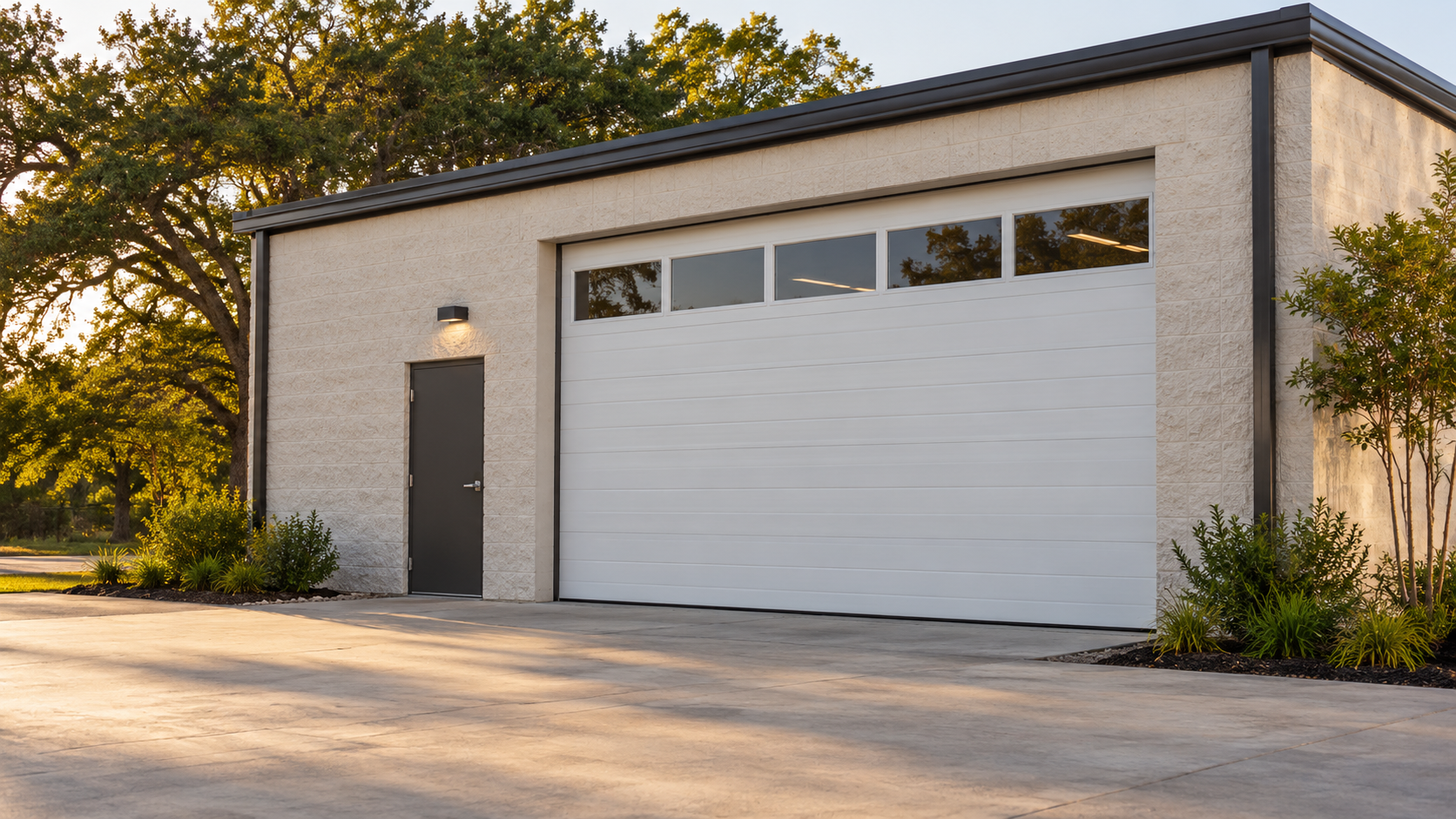
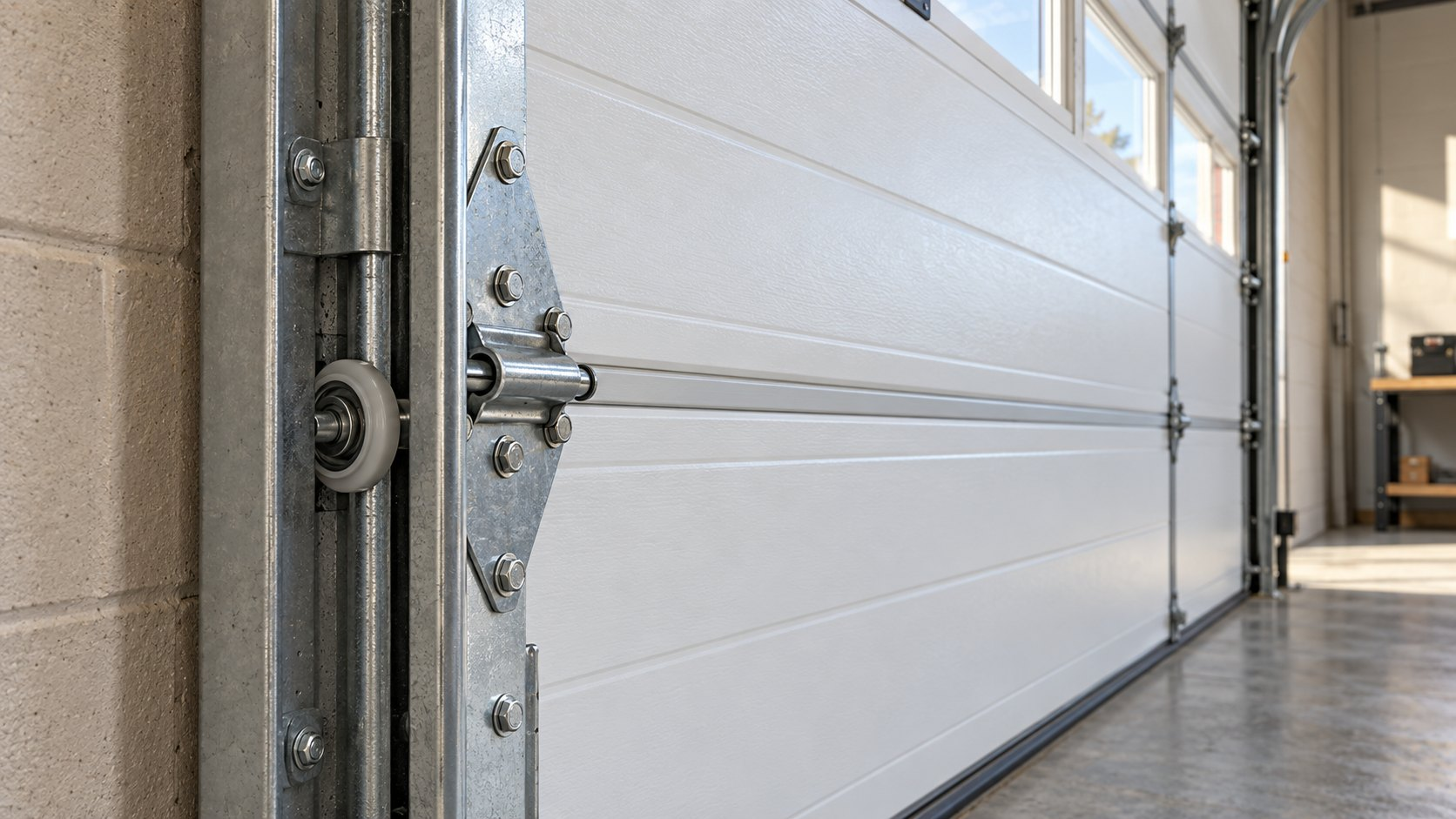
Illustrative commercial door setting and hardware detail. These images do not depict verified UGD projects or specify a specialized product.
Illustrative setting
Illustrative detail
High-Speed Commercial Doors Questions
Is the fastest door always the best choice?
No. Traffic patterns, security, environmental separation, clearances, and protective equipment can matter as much as opening speed. A slightly different operating arrangement may fit the application better than the highest advertised opening speed. Compare the intended duty, construction, activation, protection, environmental suitability, and service needs together. Ask how each candidate addresses the problem you identified at the start. The best comparison is between complete systems that meet the same requirements, not isolated speed figures from different product categories. For additional background, see Rytec high-cycle door application information.
Can an existing opening accept a high-speed door?
Possibly. A site assessment and the selected manufacturer's drawings must establish mounting, clearance, power, and operating requirements.
What information should a project inquiry include?
Prepare opening dimensions, current door identification, approximate daily cycles, site location, and the operational problem you want to address.
Discuss High-Speed Commercial Doors
Prepare your facility location, door details, and operating needs. This form is not accepting requests yet.
This form is not accepting requests yet.
Garage door service for Houston, The Woodlands, Conroe and Greater Houston communities.