

Heavy-Duty Door Operators in Houston
Heavy-duty door operators should match the commercial door, its mounting arrangement, and the actual workload. UGD can discuss Houston facility requests around peak use, controls, electrical requirements, and the complete operating system before a replacement or new operator is specified.
Greater Houston
*Subject to availability. Confirm timing and service scope for your request.
Heavy-Duty Door Operators Matched to Door and Duty
Commercial operators come in different configurations, including trolley, jackshaft, and hoist arrangements. Suitability depends on the door construction, track or guide arrangement, mounting space, and manufacturer limits. Describing equipment as heavy duty does not establish its capacity for a particular opening or the number of cycles it can support. Begin with the reason for the request: an identified failure, more frequent traffic, a change in access control, or a new door installation. A motor that struggles may be reacting to a door problem rather than lacking power. The door’s mechanical condition must be considered before equipment is upgraded. An operator should move an appropriate door assembly, not be used to overcome damage or an unresolved counterbalance fault.
For Greater Houston businesses, record both daily use and the busiest hour. A loading area with concentrated traffic can have different demands from an opening used occasionally throughout the day. Existing mechanical condition, electrical supply, controls, and protective devices should be reviewed before deciding that an operator replacement solves the problem. UGD offers free estimates for the confirmed work. If records are available, provide the current operator model, door identification, previous repairs, and normal operating schedule. Do not open electrical enclosures or handle wiring to obtain details. Responsible facility personnel or the appropriate contractor should confirm electrical information. For multiple bays, identify each system separately because outwardly similar doors can have different operators and usage demands.
Workload, Mounting, and Control Requirements
Stops during busy periods
Record when the problem occurs and how often the door cycles. Include displayed faults so a qualified assessment can distinguish workload from other issues.
Unreliable commands
Note whether trouble affects wall controls, remotes, or an access system. Different symptoms can help identify where further diagnosis should begin.
Straining or uneven movement
An operator is not a substitute for correcting a damaged or improperly functioning door. Keep people clear and arrange assessment of the entire assembly.
Review the Complete Commercial Operator Proposal
1
Door and mounting arrangement
Provide door dimensions, identification, track configuration, and photos of the existing operator. Available space and attachment details help narrow compatible equipment. A trolley arrangement and a shaft-mounted operator use different installation configurations. Hoist provisions and other options also need model-specific review. The proposal should identify the intended arrangement and explain why it suits the selected door and available space. If an existing operator is being replaced, do not assume the new equipment can reuse every bracket, control, or protective device without a compatibility assessment.
2
Workload and electrical supply
Estimate peak and daily cycles, then confirm available voltage and phase through the responsible personnel. Manufacturer duty limits vary between operator models. Peak cycles can matter differently from a daily total, particularly when traffic is concentrated into a short window. Describe how long the opening is active and when it can be unavailable for service. Compare this demand with the exact manufacturer specification rather than a generic heavy-duty label. If power changes are needed, identify the separate electrical scope and when that work must be completed. For related service details, see warehouse and industrial garage doors.
3
Controls and protective equipment
List wall stations, access-control connections, and existing sensors. Desired operating modes must be evaluated with the selected operator's required protective devices. Identify each wall station, remote, access-control connection, and requested operating mode. The required protective devices should be reviewed with those functions, not added as an afterthought. A complete estimate should also address commissioning, applicable operational checks, owner instruction, and documentation. Ask which existing devices remain compatible and whether any connected feature has separate network or service requirements before approving the final configuration. For related service details, see commercial sectional doors.
Measured workload
Compare peak use as well as total daily cycles.
Compatible mounting
Match the operator arrangement to the actual door system.
Coordinated controls
Include access devices and protective equipment in the project scope.
Practical operation
Review model-specific manual operation and maintenance arrangements with facility staff.
Heavy-Duty Door Operators Illustrations
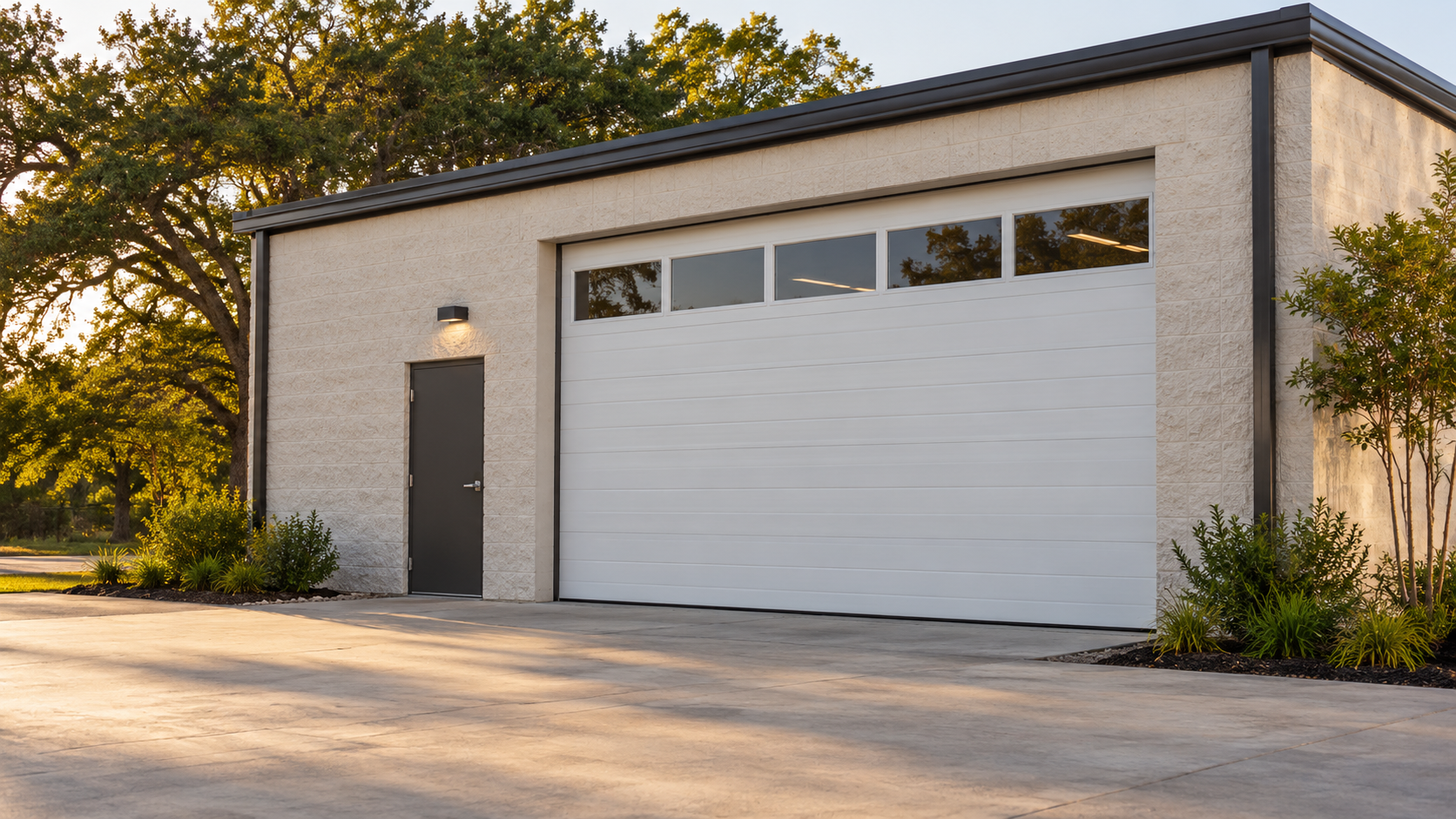
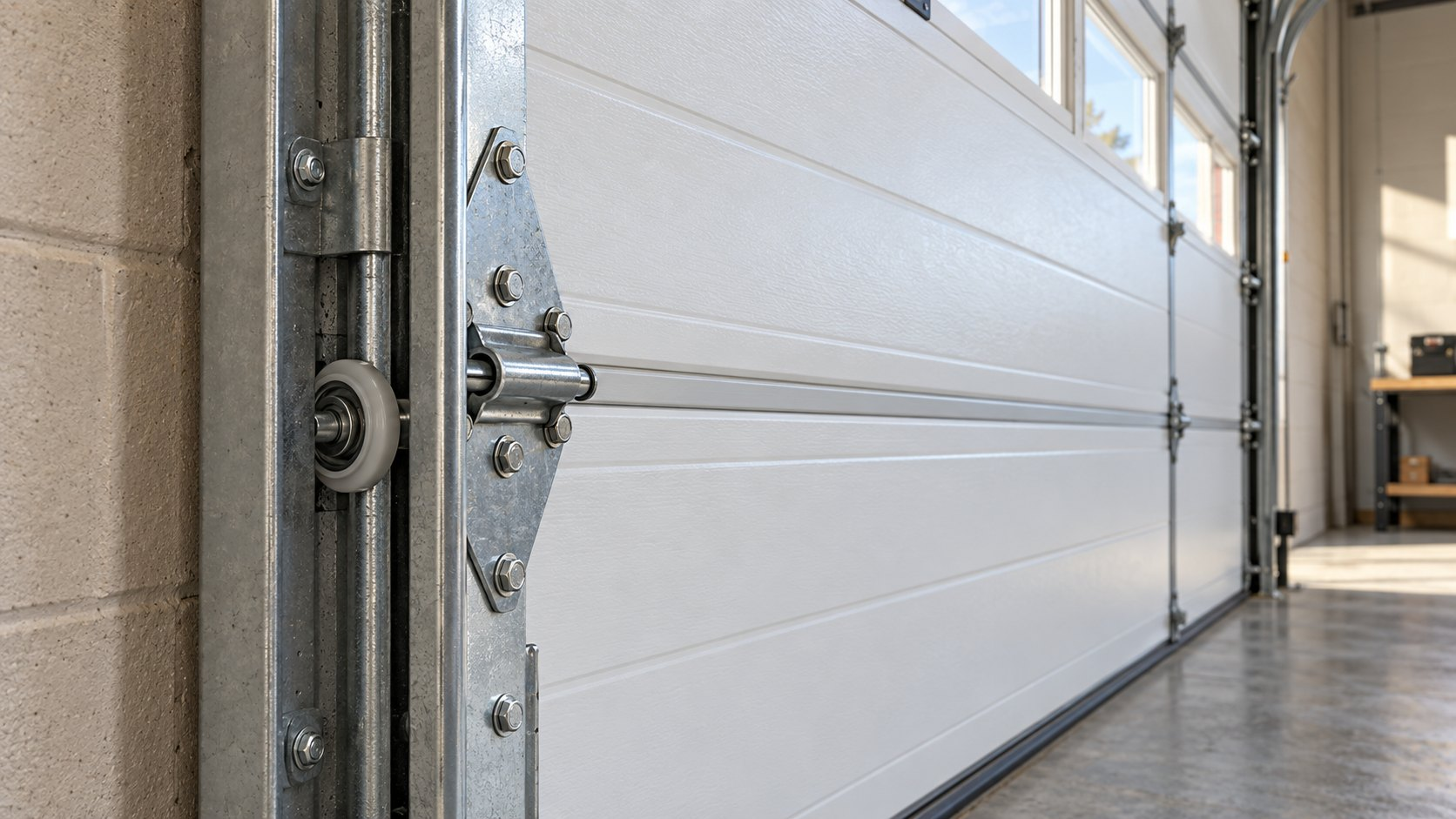
Illustrative commercial door setting and hardware detail. These images do not depict verified UGD projects or specify a specialized product.
Illustrative setting
Illustrative detail
Heavy-Duty Door Operators Questions
Is more horsepower always better?
No. Selection must account for the manufacturer's application limits, door condition, mounting, duty cycle, and complete operating system. Horsepower is only one product characteristic and cannot establish suitability by itself. Door type, balance and condition, mounting, duty, electrical supply, and the complete control and protection arrangement all belong in the selection. Ask why the specific model is proposed and how a lower-priced alternative differs. The right comparison is between operators that meet the same application requirements, not just their largest advertised number. For additional background, see LiftMaster MAXUM commercial operator information.
Can a commercial operator connect to access controls?
Some models support compatible interfaces. Identify the operator and proposed access equipment, then verify supported connections and required protective devices.
Does every operator include backup or manual operation?
No. Available arrangements differ by model and configuration. Establish the facility's needs and review the exact proposed equipment's documentation.
Discuss Heavy-Duty Door Operators
Prepare door and operator labels, site location, symptoms, and operating frequency. This form is not accepting requests yet.
This form is not accepting requests yet.
Garage door service for Houston, The Woodlands, Conroe and Greater Houston communities.