

Noisy Garage Door Repair in Houston
Noisy garage door repair should identify the source of a new rattle, scrape, squeal, or bang before parts are replaced. UGD can discuss Houston-area noise concerns alongside the door’s movement, hardware, and opener so the proposed work addresses the sound you actually hear.
Greater Houston
*Subject to availability. Confirm timing and service scope for your request.
Noisy Garage Door Repair That Starts With the Source
A rattle at startup, scraping during travel, and a clunk near closing are different observations. Note which part of the normal cycle was involved and whether the noise is new or becoming more noticeable. There is no need to reproduce it repeatedly. Not every operating sound means the same thing. A familiar motor sound is different from a new scrape accompanied by a crooked door or a sudden bang followed by failure to lift. Describe both the sound and what the door did at the time. Stop using a door that appears damaged or unstable. Noise reduction should come after identifying whether there is a condition that needs repair.
Houston and Greater Houston customers can discuss a free estimate with UGD. Same-day service is subject to availability. Include your location and explain whether the noise comes with hesitation, uneven movement, or an interruption to everyday access. A short description can be enough: for example, a rattle at startup, a scraping sound through part of the travel, or a clunk near the floor. Tell us whether it happens while opening, closing, or both, based on previous use. Also mention recent work and any impact. A video you already have may be helpful, but you should not operate a questionable door again just to create one.
Sounds and Movement Changes Worth Reporting
Rattling or repeated vibration
Explain whether the sound occurs through most of the travel or only briefly. Vibration can involve different parts of the assembly, so its timing provides context without establishing a diagnosis.
Scraping or grinding
Mention whether the door also seems to catch or move differently. A new contact sound should be assessed alongside movement rather than treated only as an annoyance.
A clunk at a particular point
Describe when the sound happens, such as near the start or end of travel. If a sudden loud event preceded the change, include that sequence in the service request.
Choose Maintenance or Repair Based on the Finding
1
Consider the door and opener
Noise can come from the moving door, its hardware, or the operating equipment. Ask which source was identified and how the finding relates to the sound you reported. The assessment should distinguish sound from the opener housing or drive from sound associated with the tracks, rollers, hinges, or sections. Those areas call for different responses. If the concern is vibration heard in an adjacent room, mention where it is most noticeable. The goal is an explanation of the specific source, not a generic promise that one replacement part will make the entire system silent.
2
Avoid a one-part assumption
A noisy door does not automatically need new rollers, a new opener, or a complete replacement. The recommendation should follow the observed condition and explain the purpose of any proposed component. Ask what evidence supports a proposed roller, hinge, opener, or other component replacement. A worn part may deserve attention, but the estimate should show how it relates to your complaint. If more than one condition is present, separate the essential correction from optional improvements. New equipment can have a different operating sound without resolving noise that originates in another part of the door system.
3
Review maintenance and repair separately
Some requests involve routine care, while others reveal damaged or worn parts. Ask which work is recommended, what it addresses, and what price applies before deciding how to proceed. Routine care should follow the installed products’ guidance, including any approved lubricant and appropriate application points. Avoid spraying products indiscriminately or tightening unidentified brackets, since some hardware is connected to tensioned components. If a repair is recommended, ask how operation will be checked afterward and what improvement is realistic. Keep the findings so you can recognize whether a later sound is new or the same unresolved concern.
Free Estimates
Review the identified noise concern and proposed work before approving a repair.
Same-Day Service
Ask about current availability for your location and the particular service request.
Helpful Descriptions
Sound and timing can be useful even when you cannot name the component involved.
Complete Context
Mention changes in movement and any event that happened before the noise began.
Noisy Garage Door Repair Illustrations
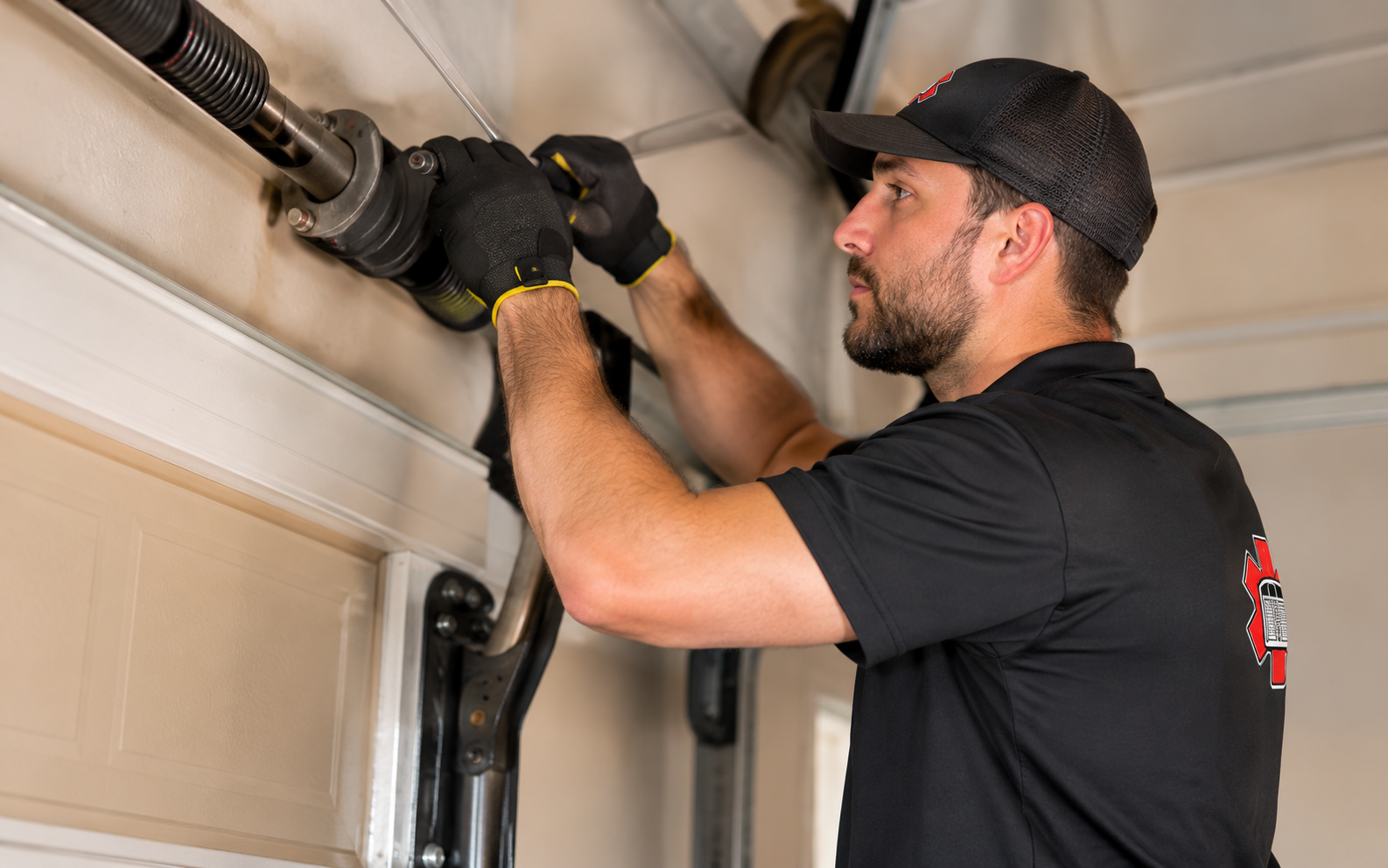
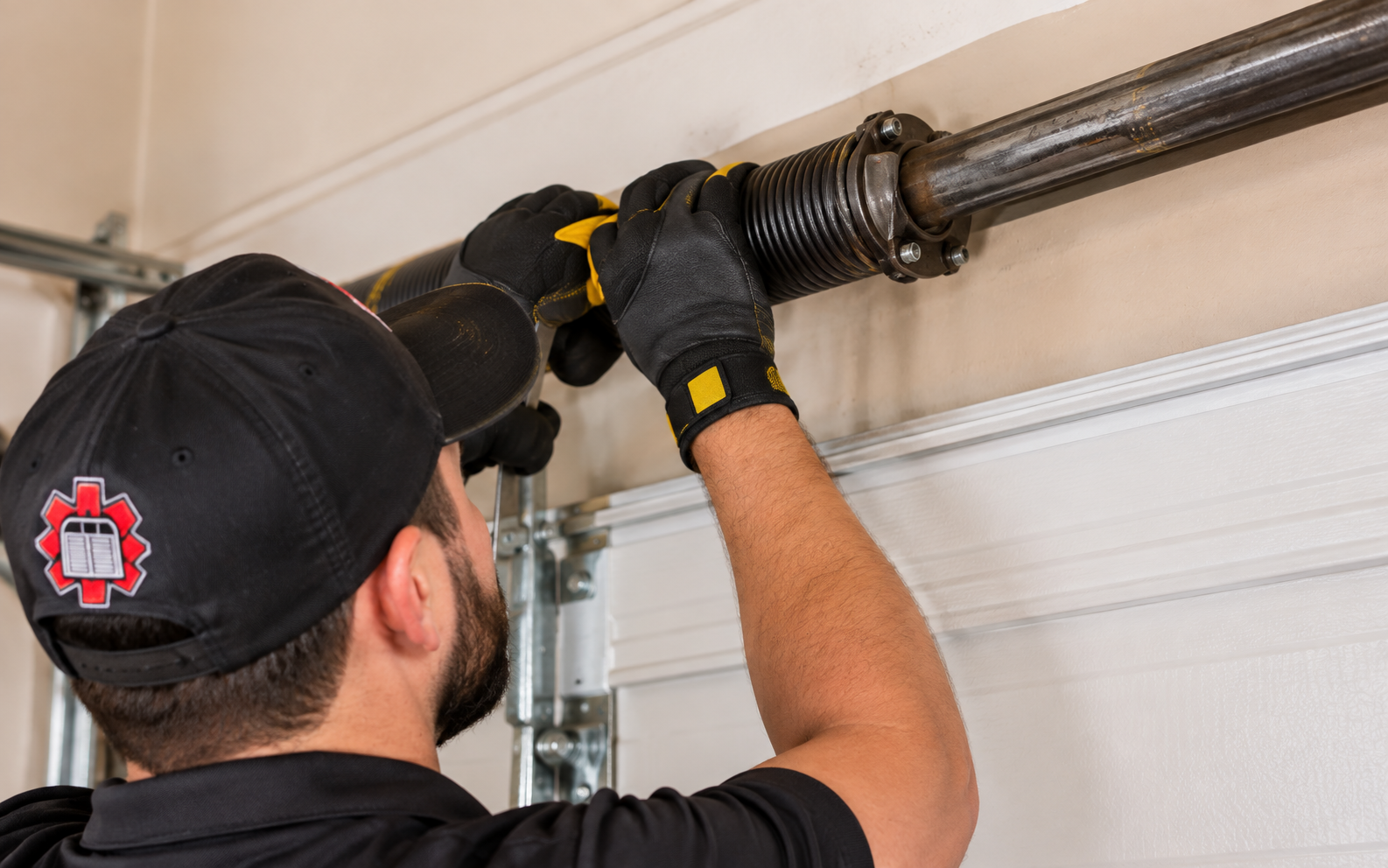
Illustrative examples; not UGD repair projects.
Illustrative setting
Illustrative detail
Noisy Garage Door Repair Questions
Does a noisy door always need replacement?
No. Noise can involve several conditions, and the sound alone does not establish that the whole door needs replacement. An assessment should identify the likely source and explain whether maintenance, a component repair, or another option addresses it. The decision depends on the source and the door’s overall condition. A component-level problem may support targeted repair, while extensive damage can justify a broader comparison. Ask what a proposed replacement would change and which current components would remain. A useful recommendation connects the remedy to the reported sound and operating behavior rather than using noise alone as a reason to replace everything. For additional background, see Clopay garage door troubleshooting guidance.
Should I record the noise before asking for service?
A recording you already have can provide context, but it is not required. Do not repeatedly operate a visibly damaged or struggling door to capture it. A description of the sound, timing, and movement is a useful starting point.
Will a quieter opener resolve every garage door noise?
No. Some noise originates in the door or its moving hardware rather than the opener. Confirm where the reported sound is coming from before choosing operating equipment as the solution to a concern elsewhere in the system.
Discuss Noisy Garage Door Repair
Describe the sound. This form is not accepting requests yet.
This form is not accepting requests yet.
Garage door service for Houston, The Woodlands, Conroe and Greater Houston communities.