

Garage Door Safety Sensor Repair
When a garage door refuses to close or reverses unexpectedly, the safety-sensor system may need attention. A careful assessment identifies the cause while preserving the protective function the equipment is designed to provide.
Greater Houston
*Subject to availability. Confirm timing and service scope for your request.
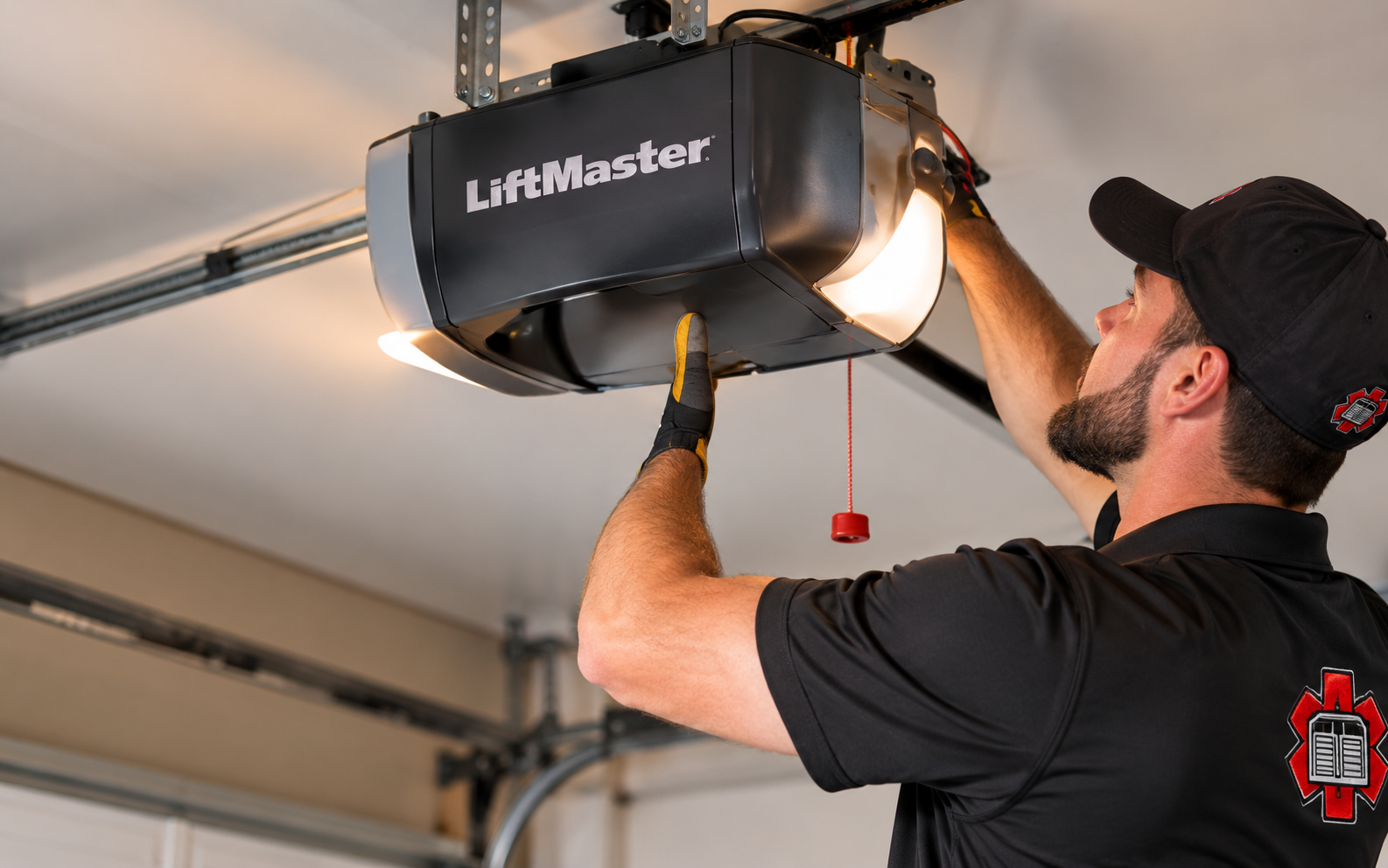
Understand the symptom without bypassing protection
Photoelectric safety sensors monitor a beam across the doorway as part of the opener's protective system. Obstructions, alignment problems, damaged wiring, or a failed component can affect operation. Sensor behavior varies with the equipment, so an indicator color or flashing pattern needs to be interpreted using the correct model's instructions.
Houston homeowners can prepare for an inquiry by describing what they see from a safe position: which indicators are visible, when the door reverses, and whether an object or impact preceded the problem. Do not bypass the sensors or force operation. A door that closes again still needs appropriate checks after corrective work.
Conditions worth reporting
One indicator changes
Record whether a light is steady, flickering, or off, along with the opener model. The pattern is useful evidence, but does not establish a diagnosis alone.
The bracket was bumped
A recent impact near the bottom of the track can be relevant. Describe visible movement or damage without loosening hardware or adjusting wiring.
Closing trouble comes and goes
Note the time and surrounding conditions when the fault appears. Intermittent symptoms need to be considered alongside the physical condition of the system.
What the assessment should cover
1
The full sensor circuit
Evaluation should consider the sensor pair, mounting, wiring, connections, and the opener's response. Replacing a sensor is not automatically the answer to every closing problem.
2
Compatible replacement components
If parts are needed, confirm their compatibility with the opener model and relevant manufacturer guidance. Appearance alone does not establish that two sensors are interchangeable.
3
Operation after the repair
The proposed scope should include applicable manufacturer checks after corrective work. Ask for a clear explanation of the finding and how protective operation was verified.
Protective function
Preserve the intended sensor operation throughout assessment and repair.
Useful observations
Record visible indicators and the circumstances of the fault.
Matched components
Check replacement sensors against the identified opener model.
Complete explanation
Understand the cause, corrective work, and checks performed afterward.
A closer look
Illustrative garage-door and opener settings. These images do not identify specific product models or establish compatibility.
Illustrative setting
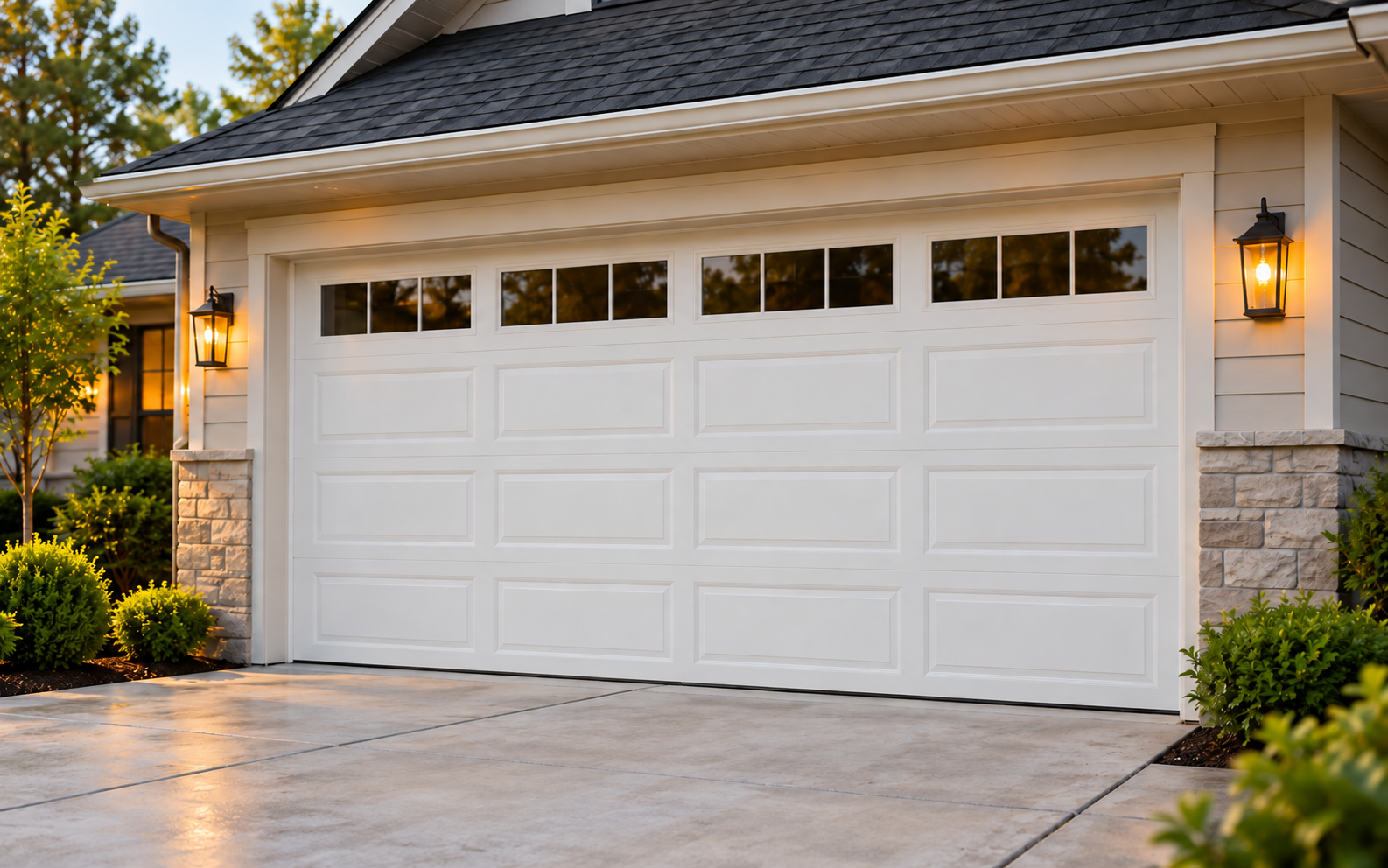
Illustrative detail
Common questions, answered
Does every reversing door have a sensor problem?
No. Other door or opener faults can affect closing. The symptom needs a complete assessment rather than an assumed sensor replacement.
Can I disconnect the sensors to use the door?
Do not bypass protective equipment. Keep the opening clear and arrange assessment when a fault prevents normal operation.
Do working indicator lights prove the system is safe?
No. Indicator behavior is one part of evaluation. Model-specific operational checks and the condition of the complete door system also matter.
Tell us what you need
This form is not accepting requests yet. Prepare your location, opener model, observed indicator behavior, and photos taken from a safe position.
This form is not accepting requests yet.
Garage door service for Houston, The Woodlands, Conroe and Greater Houston communities.