

Commercial Door Manufacturers
Commercial door manufacturers offer different product ranges, so the most useful comparison starts with the opening and the work it must do. UGD can discuss Houston project inquiries using exact models, documented requirements, and confirmed sourcing and service scope rather than a logo alone.
Greater Houston
*Subject to availability. Confirm timing and service scope for your request.
Commercial Door Manufacturers: Compare the Right Products
Commercial door catalogs cover different combinations of sectional doors, rolling doors, grilles, high-performance systems, and specialized closures. Clopay, Overhead Door, Cornell, and Rytec provide model information for various applications. Use the exact product documentation when comparing construction, operating requirements, and options for your opening. Separate the manufacturer decision from the provider’s project responsibilities. Official literature can establish a product’s options and application limits, while the proposal must establish who supplies, installs, commissions, and services the selected system. Do not assume that a company mentioning a brand has every product in stock or holds a particular manufacturer authorization. Ask for confirmation of the exact model and requested work before relying on either.
For a Houston warehouse, storefront, or service facility, a useful comparison starts with the opening rather than a preferred logo. Decide what matters most: daily access, visibility, environmental separation, security, or another documented requirement. Then compare exact models and options using current literature instead of assuming an entire product range performs alike. UGD offers free estimates for confirmed project scope. A concise brief should identify the location, opening, intended use, existing equipment, and the outcome you need. For a replacement, include the present problem and whether a repair has been assessed. For a new opening, include available plans. This gives potential product choices a shared basis instead of comparing unrelated catalog examples that solve different problems.
Application and Documentation Before Brand Preference
Comparing unlike packages
Two proposals may include different controls, glazing, reinforcement, or mounting arrangements. Ask for an itemized specification so the differences are visible.
Unidentified existing equipment
For repairs, start with labels and model information. The brand on an operator may differ from the manufacturer of the door itself.
Assumed parts availability
A familiar brand does not establish local stock or compatibility. Confirm the exact replacement component and its availability before planning a repair schedule.
Build a Like-for-Like Commercial Door Comparison
1
Define the application
Record opening size, traffic volume, vehicle clearance, available space, and exposure. Include building-design requirements that narrow the acceptable product choices. Divide requirements into essentials and preferences. Dimensions, installation fit, operating demand, and specified performance belong in the essential category; appearance and optional convenience features can then be compared within suitable choices. If a fire, smoke, wind, or other specialized requirement applies, obtain it from the responsible project team. A manufacturer’s broad product range does not establish that every model meets every listed application. For related service details, see commercial garage door installation.
2
Request model-level documentation
Collect specifications, drawings, operation information, and option details for each candidate. Ask which features are standard and which must be ordered separately. Use the same configuration details for each candidate, including glazing, insulation, finish, controls, and operator arrangement where applicable. Note which information is current and which questions remain unanswered. Ask how a proposed substitution differs rather than accepting a claim that two models are equivalent because both are commercial doors. Documentation should make important differences visible before the purchase or installation schedule is agreed. For related service details, see high-speed commercial doors.
3
Clarify the full project scope
Compare removal, site preparation, electrical coordination, controls, commissioning, and ongoing maintenance needs. Confirm who owns each part of the proposed work. Compare the full installed scope and the practical support arrangement, not only the quoted door price. Removal, building preparation, power, controls, specialist coordination, and required checks can materially change the project. Confirm which components may be retained and which must change. Keep the chosen product documents and service responsibilities together so future maintenance or repair can begin with a clear record of what was installed. For related service details, see heavy-duty door operators.
Consistent requirements
Give every product comparison the same starting measurements and priorities.
Separate equipment
Identify the door, operator, and accessory manufacturers individually.
Current literature
Use documentation for the actual model and selected options.
Confirmed support
Verify provider capability and parts sourcing before accepting a proposal.
Commercial Door Manufacturers Illustrations
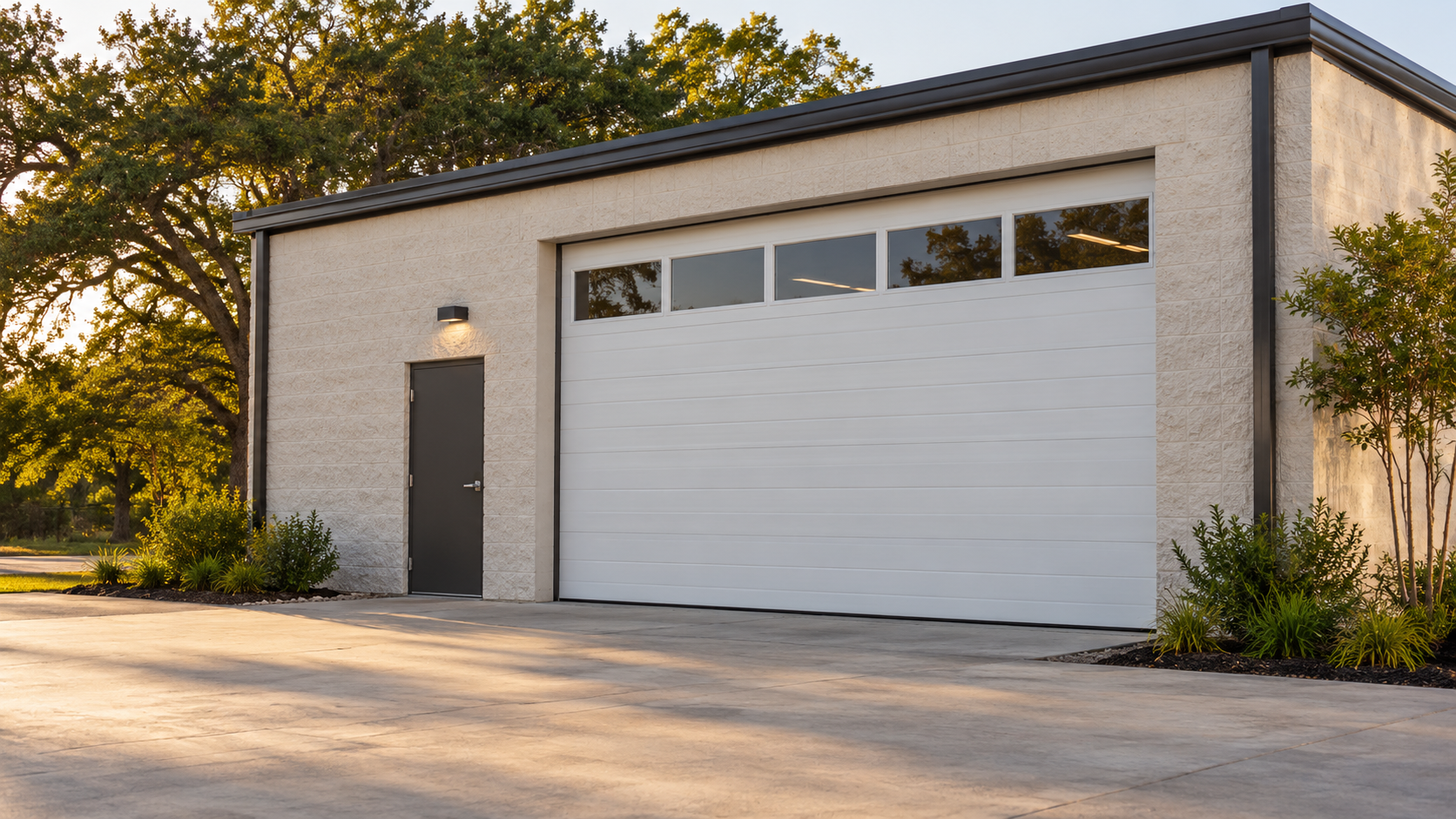
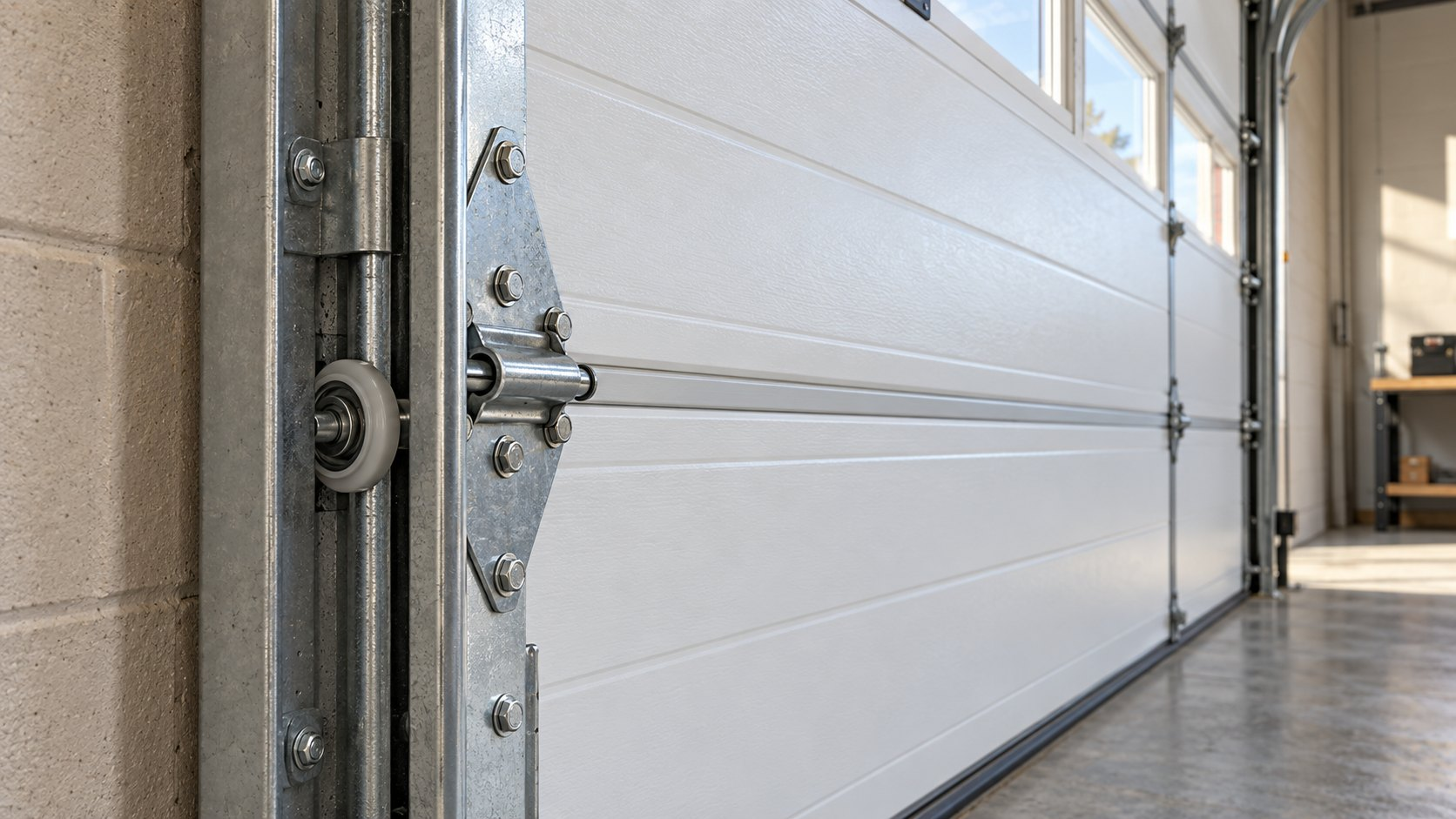
Illustrative commercial door setting and hardware detail. These images do not depict verified UGD projects or specify a specialized product.
Illustrative setting
Illustrative detail
Commercial Door Manufacturers Questions
Which commercial door manufacturer is best?
There is no universal answer. The best fit depends on the opening, required features, operating demands, and support available for the selected system. A suitable product for a low-use storage opening may not suit a busy vehicle entrance or a specialized rated application. Compare each manufacturer at the model level against your actual requirements. Availability of compatible parts and appropriate service support also belongs in the decision. Rather than seeking a universal winner, ask which complete proposal addresses the opening’s needs and explains its limitations clearly. For additional background, see Clopay commercial product specifications.
Must the door and operator have the same brand?
Brand matching alone does not establish compatibility. The selected door, operator, controls, and protective devices need an appropriate system review.
How do I check product sourcing and service availability?
Share the manufacturer, exact model, opening details, and requested work with UGD. Product sourcing, parts compatibility, and service scope need individual confirmation before a specific brand or model is selected for the project.
Discuss Commercial Door Manufacturers
Prepare preferred product references, opening details, and project priorities. This form is not accepting requests yet.
This form is not accepting requests yet.
Garage door service for Houston, The Woodlands, Conroe and Greater Houston communities.