

Garage Door Maintenance in Houston
Garage door maintenance gives you a clearer picture of the door, opener, and moving components before small changes become harder to ignore. UGD offers Houston-area estimate discussions focused on the installed equipment, manufacturer guidance, service history, and any concerns you have already noticed.
Greater Houston
*Subject to availability. Confirm timing and service scope for your request.
Garage Door Maintenance for the Complete System
A useful maintenance request includes the door and opener information you have, any previous service history, and new operating concerns. Even when the door still works, changes in noise, movement, or visible condition are worth mentioning during the assessment. A maintenance visit and a repair call can overlap, but the starting point matters. If the door already stops, drops, sits crooked, or has a suspected broken spring, describe it as an operating problem rather than asking only for a tune-up. Routine care should not conceal an unresolved fault. Knowing the current behavior helps frame the scope and avoids assuming a standard maintenance package will cover every concern.
UGD offers free estimates for Houston and Greater Houston requests. Ask what is included in the proposed maintenance scope and whether separate repairs are recommended. Appointment availability should be confirmed for your location, including The Woodlands and Conroe. Before the discussion, gather manuals or model information you already have and make a short list of changes: new sounds, visible wear, a damaged seal, or inconsistent opener behavior. There is no need to deliberately test a door that appears unsafe. For a multi-door garage, identify which opening has each concern. Mention previous spring, cable, roller, or opener work when those records are available.
Changes to Mention Before a Maintenance Visit
A change in daily operation
Describe hesitation, rough movement, or noise that was not present before. Maintenance should not be used as a label that hides a specific operating problem needing its own assessment.
An uncertain service history
If the property is new to you or prior records are limited, say so. Existing model information and any known work can help establish a practical starting point.
Visible wear or damage
Mention conditions already noticed on the door or hardware. A maintenance discussion can identify questions to assess, but it does not establish that worn or damaged components can remain in service.
Agree on the Inspection, Care, and Repair Boundaries
1
Use model-specific guidance
The door and opener manuals provide maintenance information for the equipment installed. Service recommendations should account for those products and their condition rather than rely on an identical routine for every opening. Ask which checks and care tasks are included for the actual door and opener. The scope may need to distinguish the door sections and movement hardware from the counterbalance system, controls, and protective features. Any lubrication or cleaning should follow the relevant product instructions. Avoid treating all moving components alike or using a general household product without confirming it is suitable for the intended application.
2
Distinguish care from repair
Ask which items are part of the maintenance proposal and what happens if a repair concern is identified. Additional replacement work should have a clear explanation and price before approval. A useful estimate identifies routine service separately from replacement parts and corrective work. If damage or wear is found, ask what it means for continued use, what repair is proposed, and what additional cost applies. You should be able to understand which work you are approving. A maintenance appointment should not be taken as blanket approval for an unspecified list of replacements or upgrades.
3
Keep useful records
Retain the date, reported findings, and details of any completed work. A simple service history helps explain later changes and reduces uncertainty when a future repair or replacement is being considered. Keep a simple record of the date, the equipment serviced, the findings, and the work completed. Save any model-specific care instructions and note what remains outstanding. This is particularly useful after moving into a home where the installation history is unclear. Future service can then compare an actual record with new symptoms rather than rely on an uncertain recollection of what was changed. For closing reversals or a possible protective-device fault, review garage door safety sensor repair without bypassing safety equipment.
Free Estimates
Review the proposed maintenance scope and price before deciding on a service visit.
Equipment Context
Existing model information and manuals help focus the discussion on your actual system.
Clear Findings
Ask for an explanation of any observed condition and recommended additional work.
Practical Records
Keep service information together so future changes are easier to describe and assess.
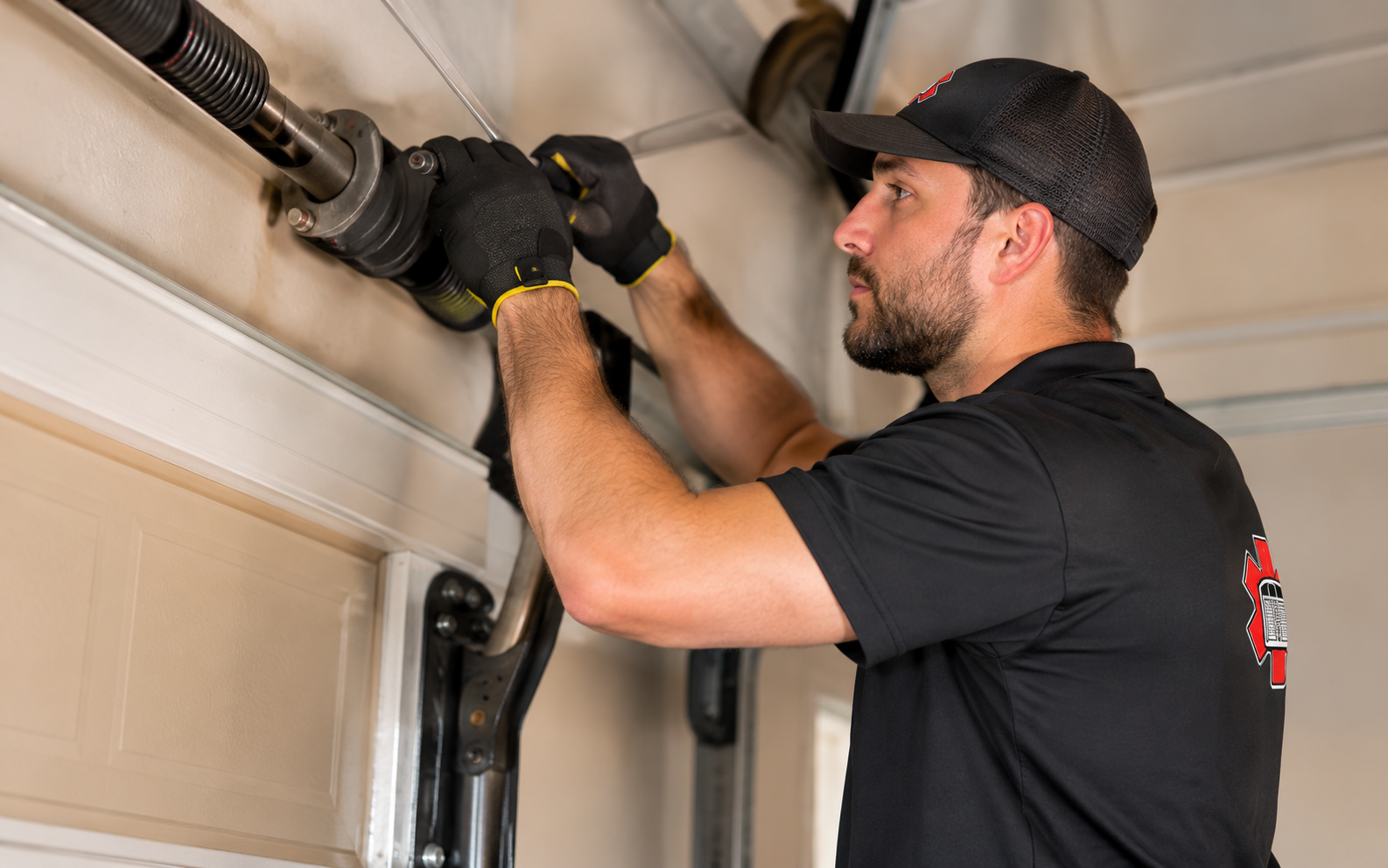
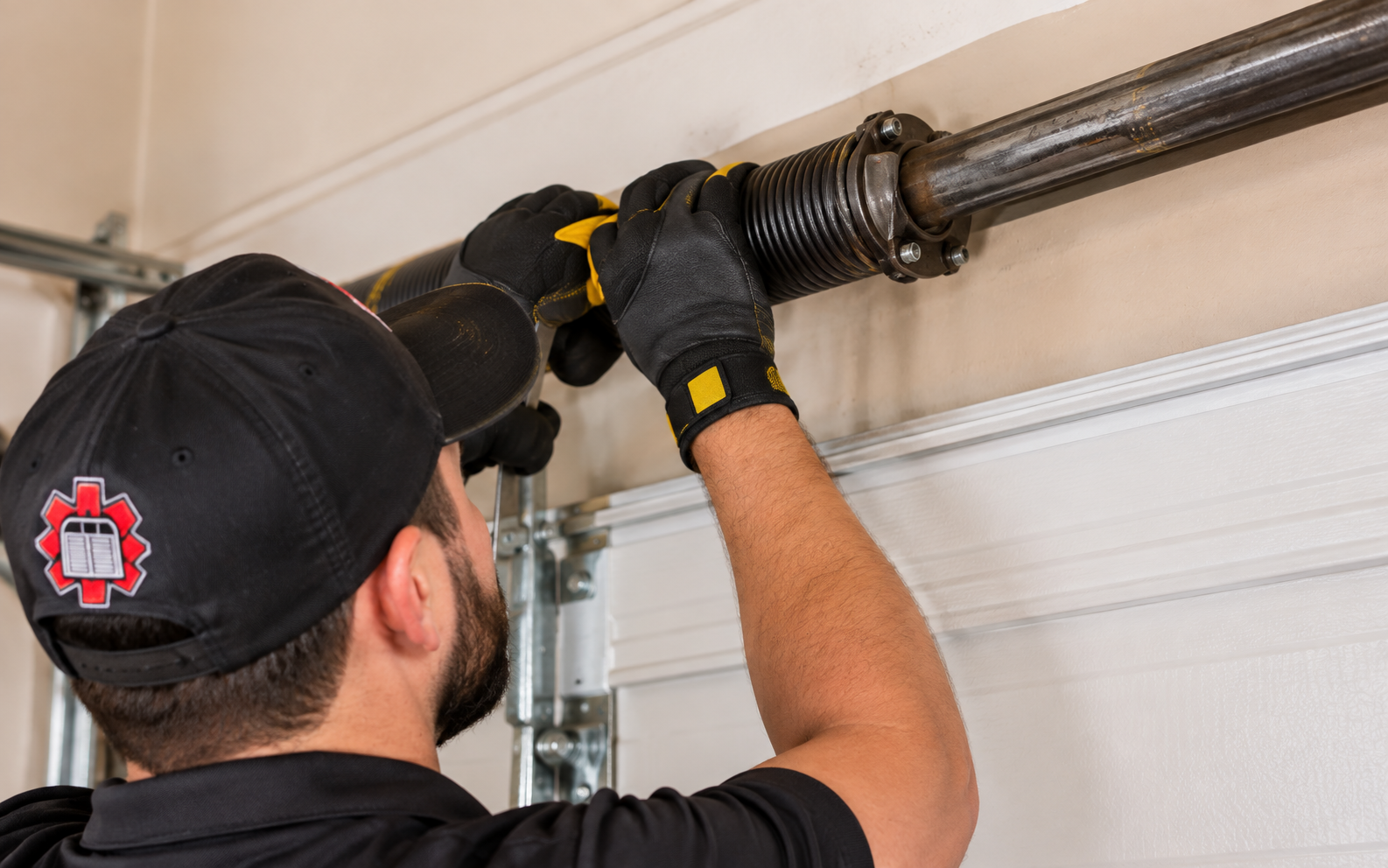
Garage Door Maintenance Illustrations
Illustrative examples; not UGD repair projects.
Illustrative setting
Illustrative detail
Garage Door Maintenance Questions
Is maintenance the same as repairing a known problem?
No. If the door is already malfunctioning, describe that concern directly. The assessment may identify repair work beyond routine care. Ask the proposal to distinguish included maintenance from any separately recommended correction or replacement of damaged components. A known malfunction deserves a specific diagnosis. A maintenance request can still be appropriate for the rest of the system, but a quoted routine visit may not include the parts or labor needed for a separate fault. Explain the symptom when booking and ask whether the appointment is intended to assess repairs, perform routine care, or both. Do not continue operating a damaged door while waiting. For additional background, see DASMA maintenance guide.
How often should my particular door be maintained?
Use the manufacturer’s guidance for the installed door and opener as a starting point, then discuss how condition and use affect the service plan. The appropriate maintenance interval depends on the products and the conditions at the property.
Can maintenance guarantee that nothing will break later?
No. A service assessment reflects the conditions identified at that time and cannot guarantee future component life. Its value is in understanding the current system, addressing agreed work, and keeping useful records of findings and changes.
Discuss Garage Door Maintenance
Describe recent changes. This form is not accepting requests yet.
This form is not accepting requests yet.
Garage door service for Houston, The Woodlands, Conroe and Greater Houston communities.