

Garage Door Repair in Spring
Garage door repair in Spring starts with what changed: a new scrape, a sudden bang, or a door that stopped moving normally. Share the sequence with UGD without repeating an unsafe movement.
Greater Houston
*Subject to availability. Confirm timing and service scope for your request.
Garage door repair in Spring for new sounds and movement
If a garage door that seemed normal begins scraping, rattling, or making a sudden loud sound, describe the change as clearly as you can. Tell UGD whether it occurred at the start of travel, while moving, or when the door reached a stopping point. Describing when the sound occurs is more useful than trying to name it precisely. A sound before movement, during travel, or at a stopping point gives different context. Include whether the door remained level and whether it completed its travel, using observations you already have rather than another test cycle.
For a Spring request, separate a long-standing sound you want to improve from a sudden change that interrupted operation. Avoid repeated testing when the door looks damaged or unstable. A useful repair discussion considers the door and opener together without assuming the loudest component is the cause. If several people use the garage, ask whether the change is recent or something they have heard before. Keep conflicting accounts separate. The goal is a clear history of the symptom, together with the current access situation, so any recommendation can be tied to an assessment rather than a guess.
Describe scraping, rattling, and interrupted travel
Rattle during travel
Mention where you hear it and whether movement also changed. Keep hands away from hinges, rollers, and other moving components. If a video already exists, it can help communicate the sequence without asking the door to repeat it. Include any visible movement change in the description, since a sound heard near one area does not by itself identify the component responsible.
A sharp sound followed by trouble
Describe the sequence and the door’s current position. Stop using a door that has become uneven or difficult to move. Explain whether the door is now open, closed, or partly open and whether a vehicle is inaccessible. Do not pull on cables, attempt spring adjustments, or stand under the door to investigate a sound that coincided with a sudden change.
Opener sound without normal travel
Say what happened after the control was pressed. Do not keep cycling the system to identify the source yourself. Note whether the control received a response before the interruption. Avoid assuming that an audible motor means the opener is the only concern. The estimate discussion should address the door’s condition as well as the equipment operating it.
Separate necessary door repairs from comfort upgrades
1
Describe timing and location
An observation such as “scrapes near the end of closing” gives more context than simply reporting a noisy door. A brief account can include when the change began, where in the movement it occurred, and what the door did next. If you are coordinating for another occupant, pass along their observations rather than substituting a diagnosis of your own.
2
State your comfort goal
If the system otherwise operates normally, explain where the noise is bothersome and whether you are exploring opener replacement. Mention whether the concern is heard inside the garage or in an adjoining room. Ask what a proposed change is intended to improve, while avoiding a promise that a particular opener or repair will remove every sound in the space.
3
Ask what the work addresses
Request a distinction between a needed repair and an optional change intended to improve the everyday experience. If several options are suggested, request separate scopes. A condition-related repair, routine service, and an elective opener upgrade are different decisions. Understanding that distinction helps you approve work for a clear purpose instead of a vague promise of a quieter door.
Operating concerns
Bring the change in movement and sound into one request.
Opener discussion
Review the specific equipment instead of choosing from sound alone.
Free estimates
Understand the proposed work before selecting an approach.
Same-day service
Available subject to scheduling and service availability; confirm directly.
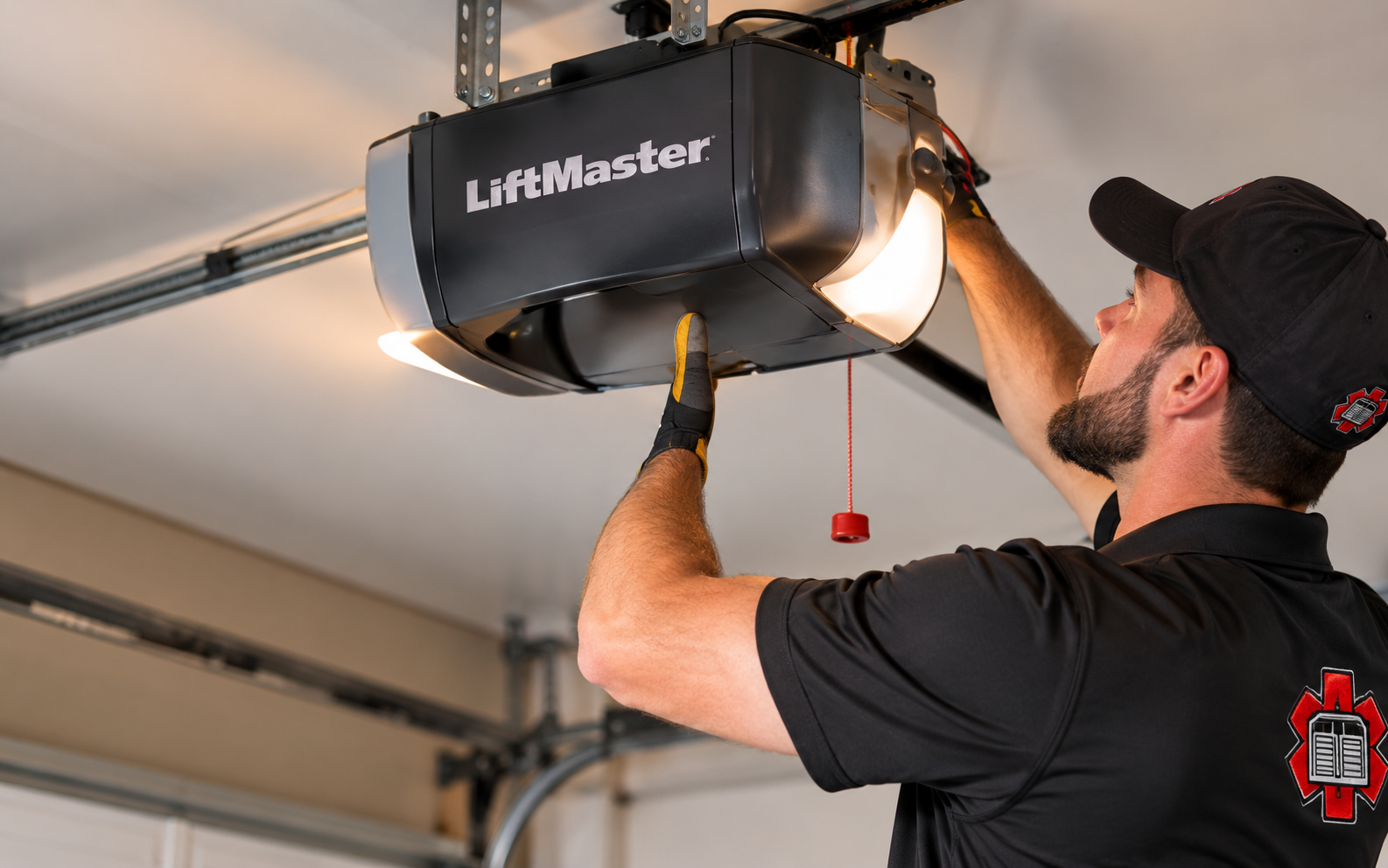
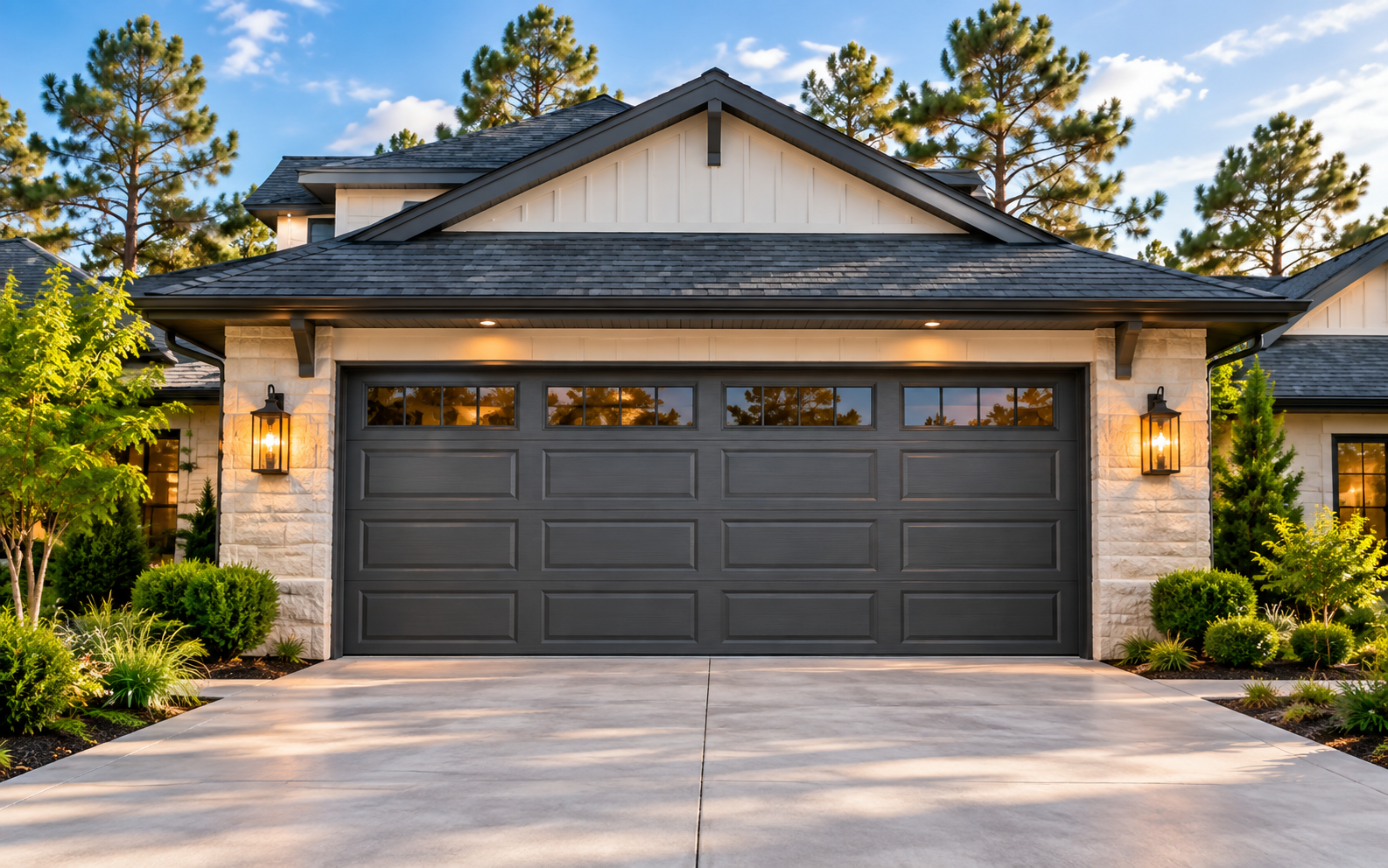
Garage Door and Opener Illustrations
These images illustrate possible door styles and garage settings. They do not verify completed repair work in Spring.
Illustrative setting
Illustrative detail
Garage Door Repair in Spring Questions
Can the sound alone identify a broken part?
No. Describe it as a symptom and ask for an assessment before assuming a spring, roller, track, or opener needs replacement. Also mention visible damage or an interruption to movement, if present. These details matter more than finding a perfect word for the sound. Ask for the findings and the recommended scope to be explained before work is authorized.
Should I tighten or adjust the noisy hardware?
Do not adjust springs, cables, or tensioned hardware. If the door is damaged or moving unexpectedly, stop operation and arrange professional help. General noise concerns do not justify experimenting with tensioned parts. Keep people away from moving components, and request advice specific to the door and its observed condition through the service assessment rather than attempting an adjustment from a generic description.
Can a new opener solve every garage door noise?
Do not assume that it will. Ask what is producing the sound and what each proposed repair or replacement is intended to improve. If an opener option is proposed for comfort, compare its intended benefit with the condition of the existing door. Ask which source of noise the recommendation addresses and whether any separate door work is still needed.
Discuss Garage Door Repair in Spring
Prepare your contact details, Spring location, and a description of the sound and when it occurs. This form is not accepting requests yet.
This form is not accepting requests yet.
Garage door service for Houston, The Woodlands, Conroe and Greater Houston communities.